Technical Support:
158-7527-1139

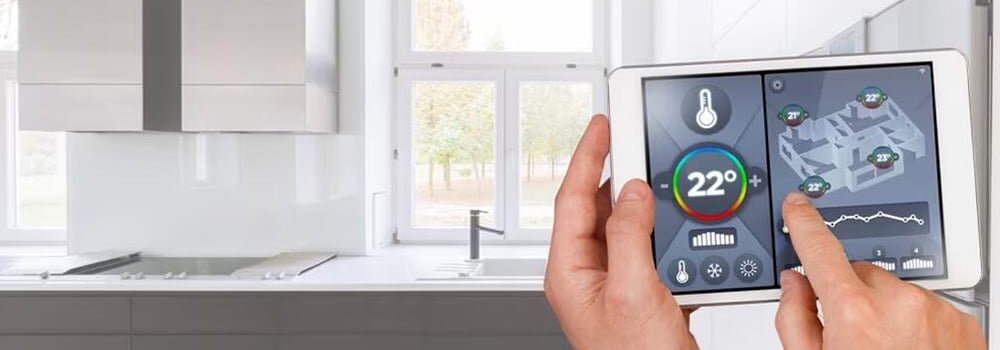
The rapid development of smart home technology has pushed the application of sensors to new heights. As core components of smart home devices, sensors play an important role in capturing environmental information and achieving automated control. In smart home systems, various types of sensors undertake monitoring, sensing, and control tasks. Let's review common sensors in smart homes and their applications.
● Temperature Sensor: This is one of the most basic sensors in smart homes, capable of sensing ambient temperature and converting it into electrical signals. It is widely used in smart thermostat systems, such as smart HVAC systems, to monitor indoor temperature in real-time and adjust air conditioning or heating based on set temperature values to achieve a comfortable indoor environment.
● Light Sensor: Used to sense the light intensity of the environment. In smart homes, light sensors are often used in smart lighting systems to intelligently adjust light brightness or switches according to indoor light conditions, improving energy efficiency while creating a more comfortable lighting environment.
● Humidity Sensor: Used to monitor environmental humidity levels. In smart homes, humidity sensors are often used in smart dehumidification systems or smart plant growing systems to control indoor humidity and prevent high or low humidity from adversely affecting the home environment and health.
● Sound Sensor: Able to sense the intensity and frequency of surrounding sounds. In smart homes, sound sensors are applied in smart security systems to identify abnormal sounds and issue alarms, improving home security.
● Human Infrared Sensor: Capable of detecting surrounding thermal radiation to sense the presence of the human body. In smart homes, it is often used in smart lighting and security systems to automatically turn on lights or trigger security alarms when someone approaches, enhancing home comfort and safety.
● Wind Speed Sensor: Able to monitor the wind speed in the environment. In smart homes, it is often used in smart fans or smart window systems to intelligently adjust fan speed or control window opening and closing based on environmental wind speed, achieving a more comfortable environmental experience.
The continuous innovation and development of smart home sensors will bring more possibilities to future home life. With technological progress, sensors will continue to evolve, becoming more intelligent and convenient, providing more convenience and comfort for people's lives. From temperature and light to sound and human perception, smart home sensors will continue to evolve, building a smarter and more user-friendly home environment.